
Design culture at Illumina
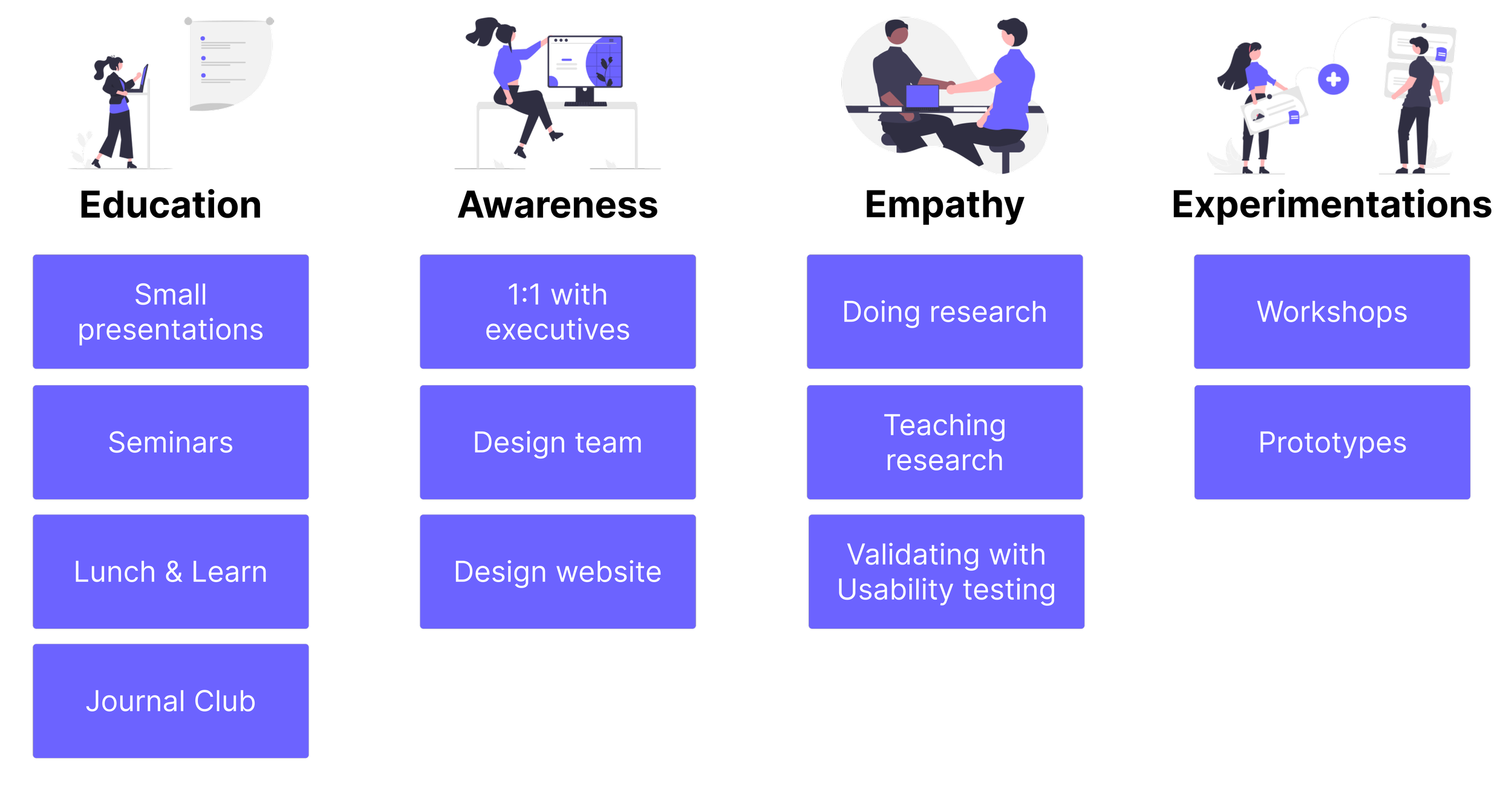
Beyond the scope of my primary product design responsibilities at Illumina, I took the initiative and invested significant time and effort into fostering and cultivating a robust design culture within the organization. Recognizing the transformative power of design thinking, I championed the following initiatives: Design Education, Awareness, Empathy and Experimentation.

Design Education
I recognized the immediate need to showcase the value of design to the broader software organization, which comprised around 100 members, in 2011. To achieve this, I initially presented my work, or I would spend time explaining certain concepts such as information architecture or usability testing. These sessions sparked a diverse array of reactions — curiosity, skepticism, and a plethora of questions — offering a rich, real-time learning experience. This marked my first foray into addressing such a large audience, a significant milestone in my professional development.
Initially, I very naively thought that a series of presentations would be sufficient to shift the organization's perception of design from a mere aesthetic element to a fundamental aspect of product development. However, the initial impact fell short of my expectations.
Still determined to make a change, I turned to researching strategies employed by other successful organizations. Drawing inspiration from Intuit Design for Delight’s approach, I introduced the idea of inviting esteemed designers to Illumina to share their success stories. Convincing my manager and higher-ups of this unconventional approach was no small feat, but perseverance paid off. The initiative culminated in the launch of Illumina's first design seminar series, a groundbreaking move that ignited company-wide enthusiasm and appreciation for the integral role of design.
Design seminars: Design for Delight
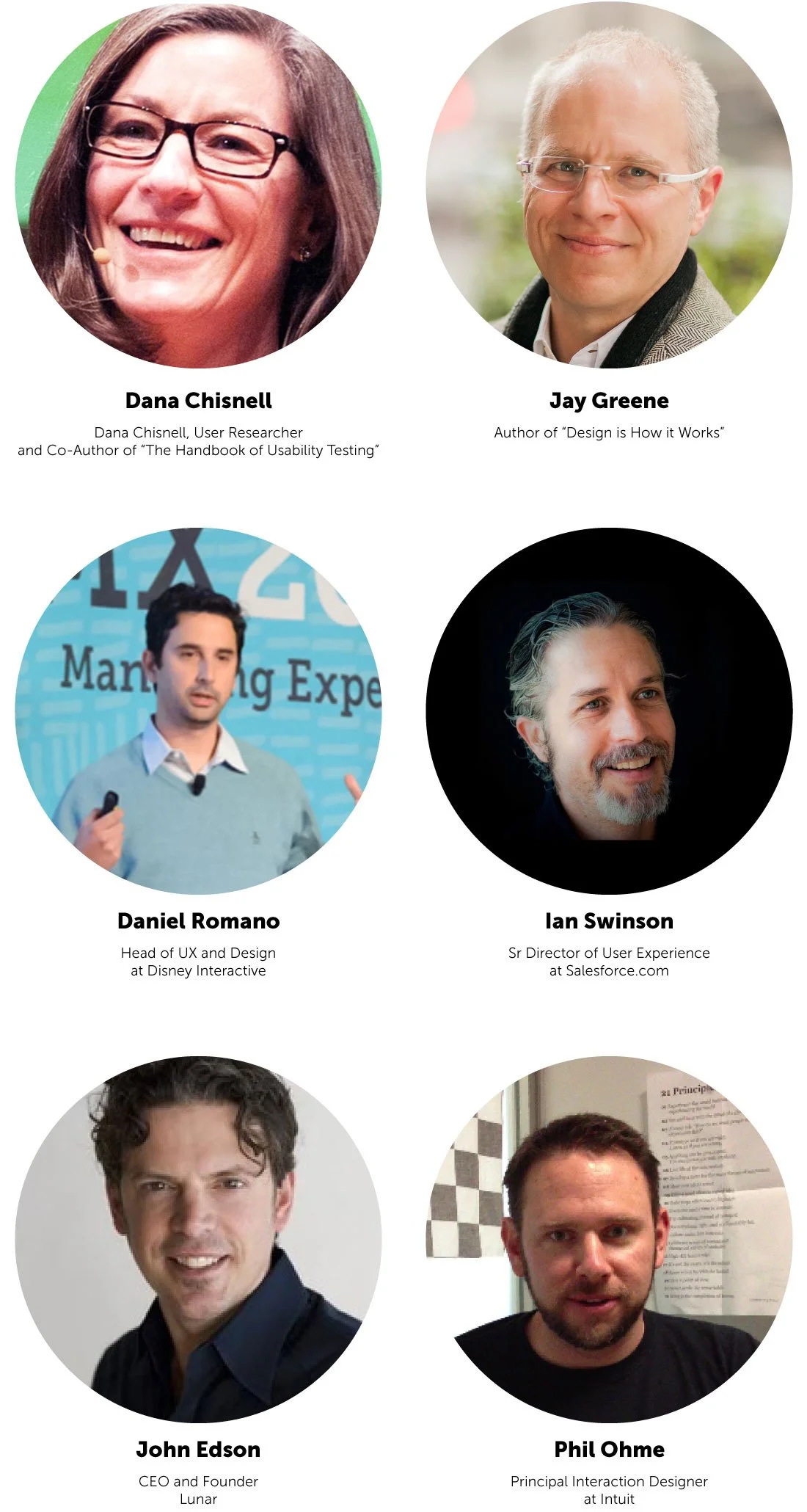
Speakers were compensated, and would spend the entire the day at the beautiful Illumina campus, giving an hour presentation, meeting in groups, and executives in 1:1.
I wanted to make sure that almost everyone could meet these innovators one way or another. Their talks were recorded and accessible via our intranet.

UX Journal Club
Stealing from an activity that happens in each scientific research lab, we created a UX Journal Club. The idea was to take a recent article from a User Experience Journal, and present it to a group of people, to inspire and be inspired.
For our first Journal Club, someone presented an article talking about the episode where Homer Simpson is designing the car of the future. Insightful and hilarious!
Lunch & Learn UX
Once a month we would have lunch while watching design videos. I had pre-selected a series of talks that I wanted to show like the classic "The anatomy of a Design Decision by Jared Spool". But other people started to suggest their own selection which was great.

Building awareness
I knew that if I wanted to have more impact I would need to convince management, so I would meet regularly with executives to sell Design, showing them my work, inspiring them with different ideas, and inviting to the Design Seminars.
I did some “underground” organizational work between all the designers at Illumina.
The marketing department had a small design team at that time, and I was connecting with all the designers I could found to create an Illumina design community. This never really took off, but we did collaborate in creating our design principles, and created a website in the Illumina intranet.


Building empathy
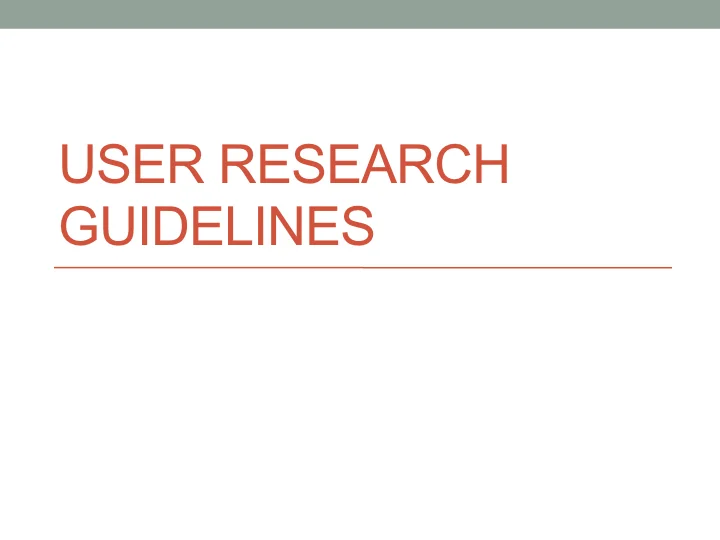
Illumina is a scientific organization, so the idea of validating design solutions with people was not really new to them. And usability testing became popular. But without a full design team, or a dedicated research function I had to be creative. So I trained engineers, scientists, and marketing folks in user interviews, and usability testing.
I was selling the idea that user research is just a series of techniques to better understand people, and some people were so interested that they started selling research to other groups. Most of our research trips were done in pairs: one designer associated with a bioinformatician or a biologist. These complementary duos exceeded my expectations and before each contextual interviews we would review the simple and fun guidelines I had created.

Experimenting with design
Good design is a mix of data, intuition, skills, experience, and great collaboration. While working with my colleagues at Illumina, I thought about adding a bit of fun, by facilitating workshops. They’re a great way for people to know each other, which improve collaboration, but also at thinking creatively.
Here’s a couple of pictures from our Marshmallow challenge.
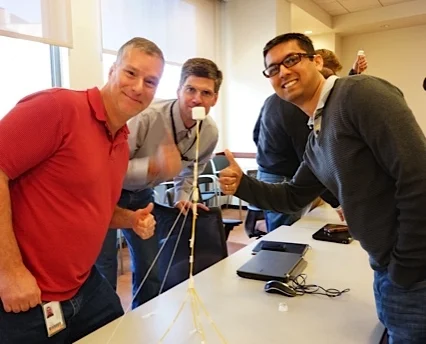
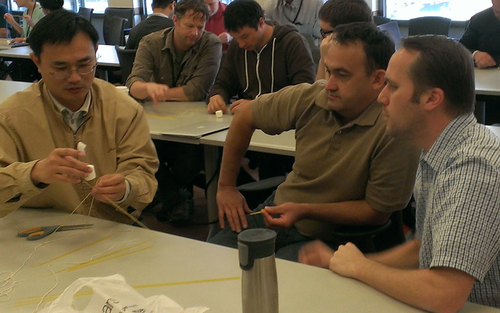
Experimentations appeared in our extensive use of whiteboards to sketch ideas or inspiring quotes. I also emphasized the role of prototyping, from different level of fidelity, from paper to a real product.
Ultimately, the essence of design lies in the magical process of bringing ideas to life, regardless of the medium. Whether it's constructing a marshmallow tower, sketching a detailed wireframe, doodling a playful face, or coding an interactive HTML/CSS prototype, each act is an idea coming alive. This is where the true beauty of design resides — in its ability to transform abstract concepts into tangible realities. And the most inspiring part? This creative journey is accessible to everyone, inviting minds from all walks of life to explore and express through design.
“Jerome [...] championed a series of external speakers to share this passion with the software team and with the product development team more broadly. This commitment and passion where always appreciated when I had the privilege of having Jerome within my organization.”