
Terra Product Vision

Objective
To revolutionize the way computational biologists and geneticists interact with data, enhancing research capabilities and efficiency.
The Challenge
Develop a product vision that will motivate, direct, and steer both the product and leadership teams in their current and upcoming initiatives.
In the rapidly evolving field of computational biology and genetics, researchers grapple with fragmented data and inefficient analysis tools. Our objective was to reimagine Terra, a cloud analysis platform, in a 3-5 vision, into an integrated, intuitive ecosystem catering to the complex needs of scientists.
My Leadership Approach
As the lead product designer, I orchestrated a comprehensive strategy encompassing user research, interaction design, and cross-functional collaboration. My vision was to create a platform that not only met current needs but also anticipated future scientific advancements.
Impact and Results
Out of the 17 new ideas generated in this work, 5 were implemented.
increase in user engagement - we received great feedback during research sessions when we validated ideas.
Notable improvements in scientific research efficiency, such as searching for, and sharing data.
Positive feedback from the scientific community, affirming Terra's role in accelerating groundbreaking research.
Research
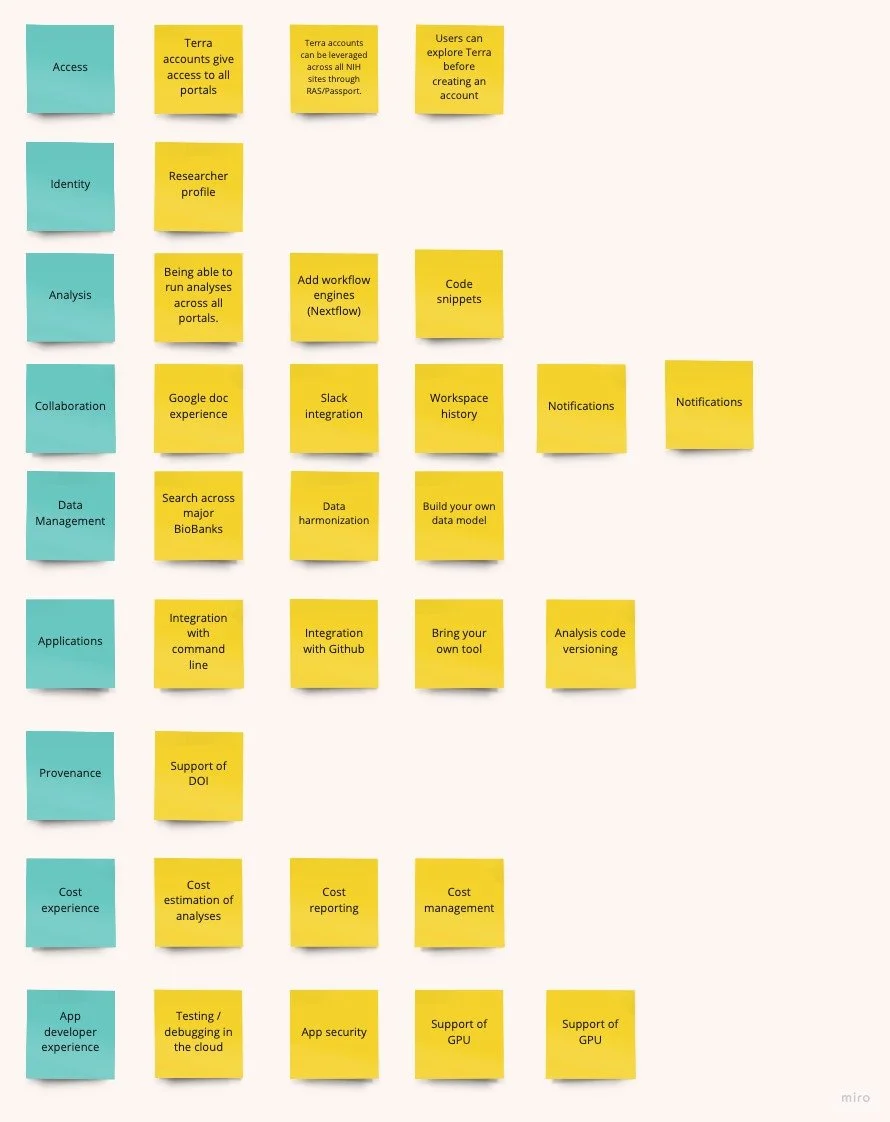
In our research database using Airtable, we compiled a list of key insights relevant for this work. We also interviewed 5 researchers to get a sense of what future might look like in their point of view. We then did a workshop with the product team, to highlight some of the key areas we wanted to develop in the product vision.
Storytelling
Centered around scientific communities, we tell the story of Karl, a computational biologist who wants to conduct a GWAS (Genome Wide Association Study) for lung cancer research.
Using Miro, we collaboratively illustrated the progression of our narrative as if we were writing a book, where each chapter of this story represents a user journey. The green stars represent the elements of the experience we decided to keep for our product vision.
Design Principles
For this project we wanted to create a new harmony based on users efficiency. All of these design principles were defined after collective “user revelations” from what was missing in their day-to-day work experiences.
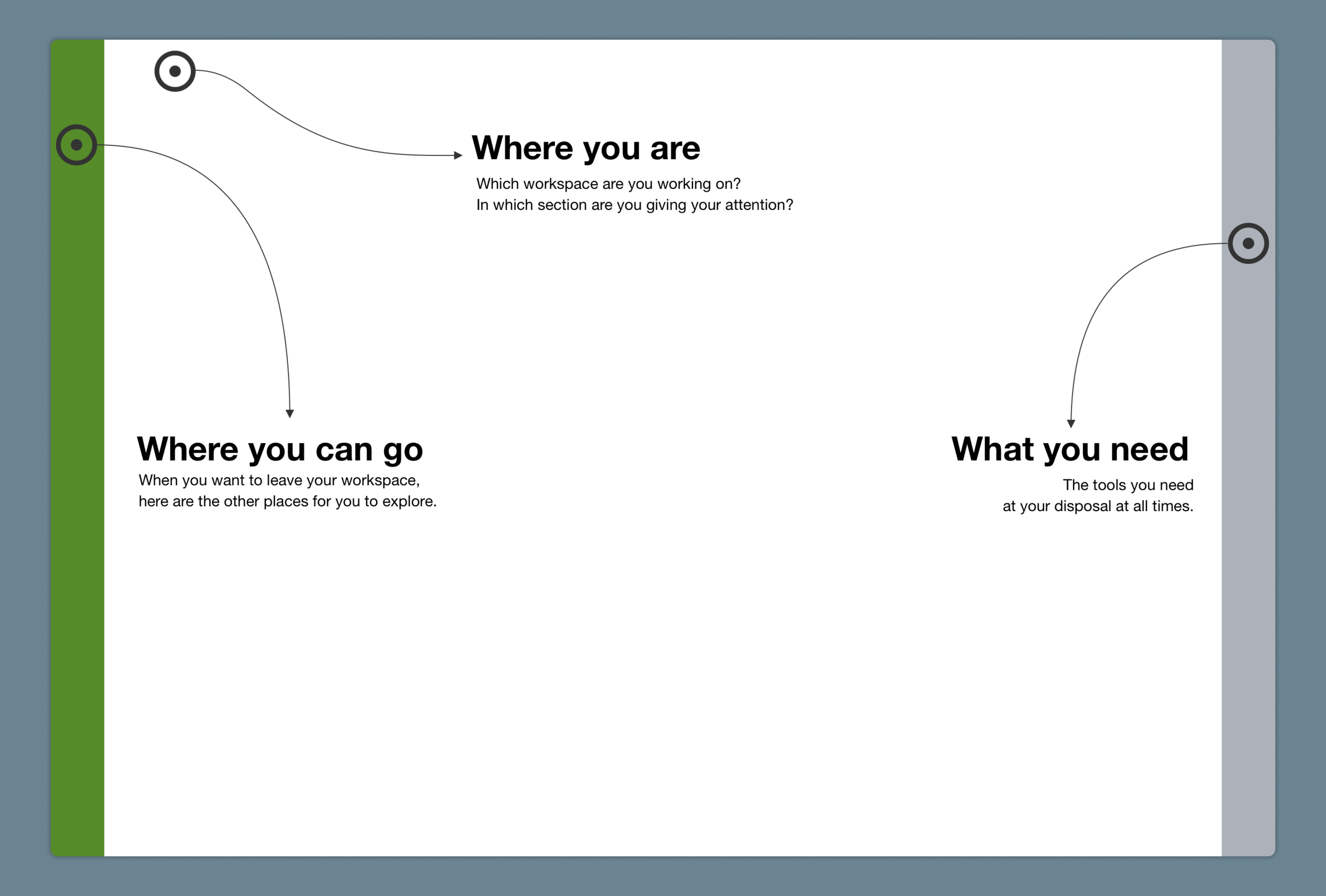
ORIENTATION
Where I am, where I can go, and what I can do.
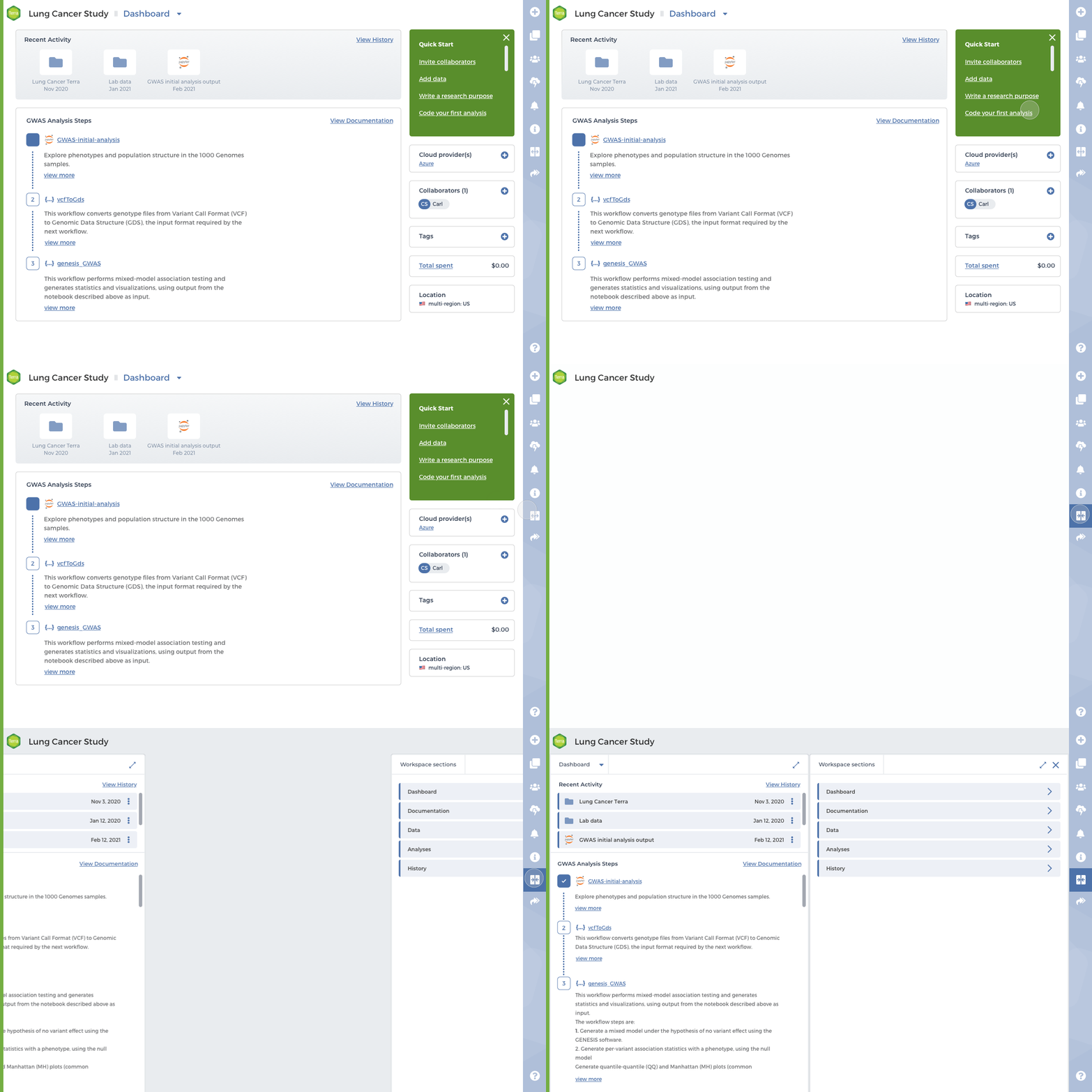
FLEXIBILITY
I need to do multiple things in parallel, like coding and reviewing an existing code, or documenting a code that I am actively working on.
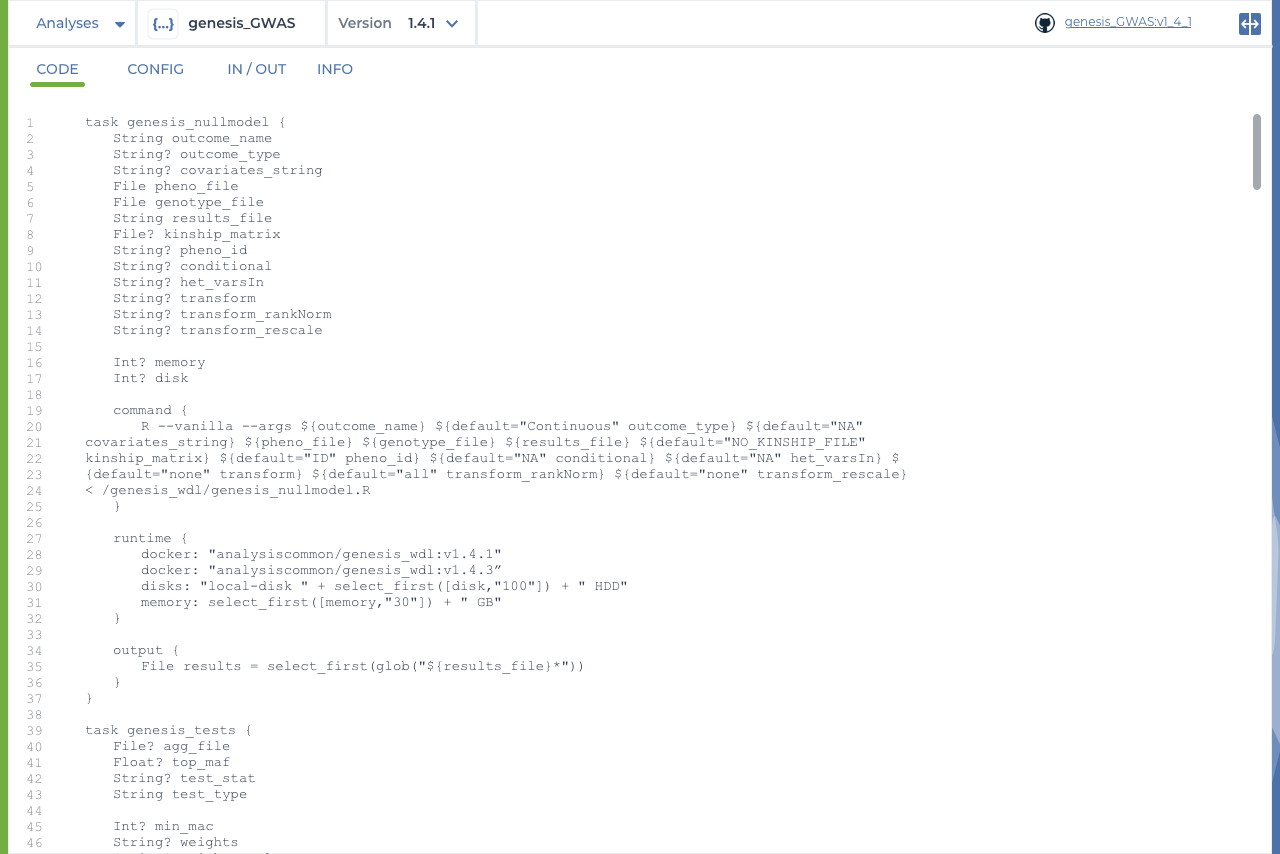
FOCUS
I have to concentrate on only one thing. For some people efficiency is only possible when noise is reduced.
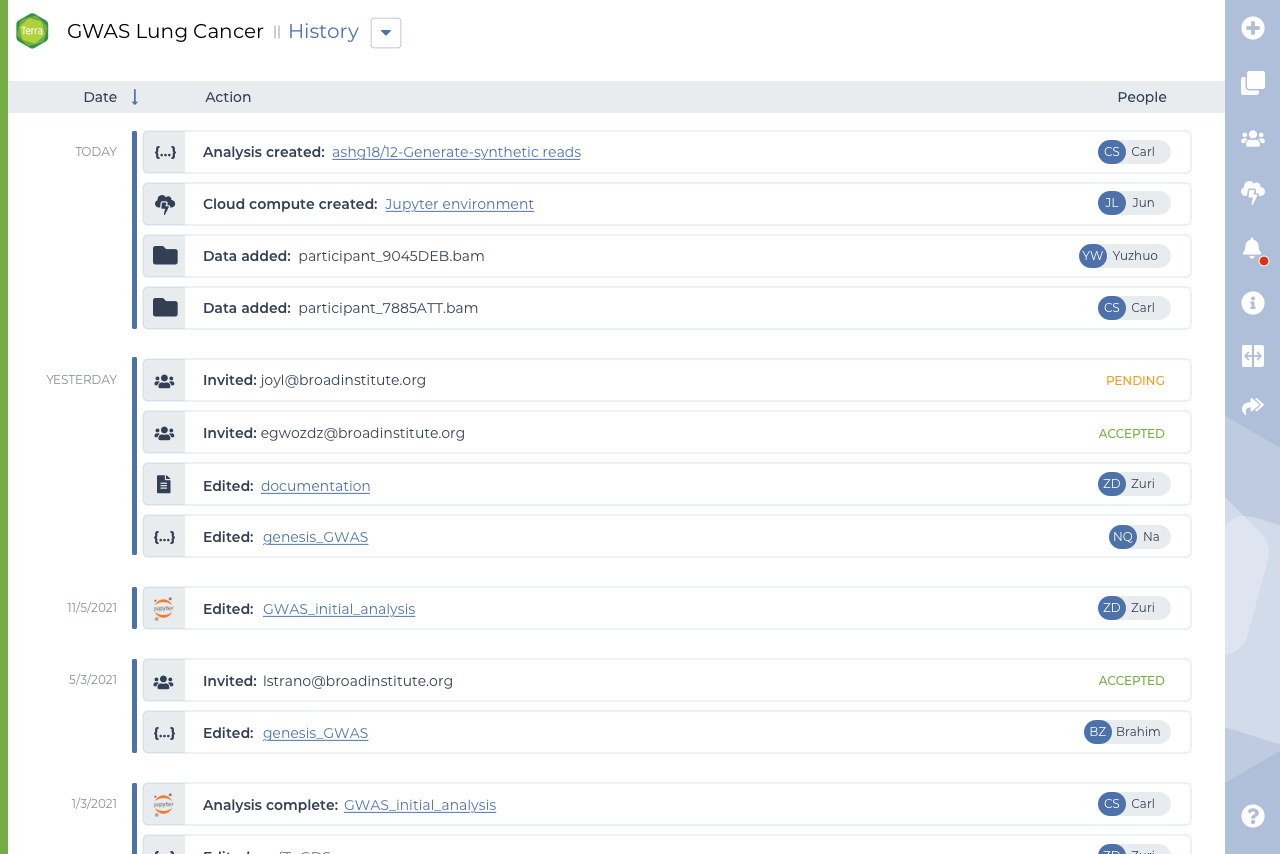
AWARENESS
I need to be aware of what has accomplished by my collaborators, so that I can understand what’s left for me to work on.
Product improvements
A good amount of ideas proposed in this work influenced features that were developed several months later, like the contextual navigation, the data search experience and the ability to open analysis with apps. Here are some other ideas that were still in discussions.
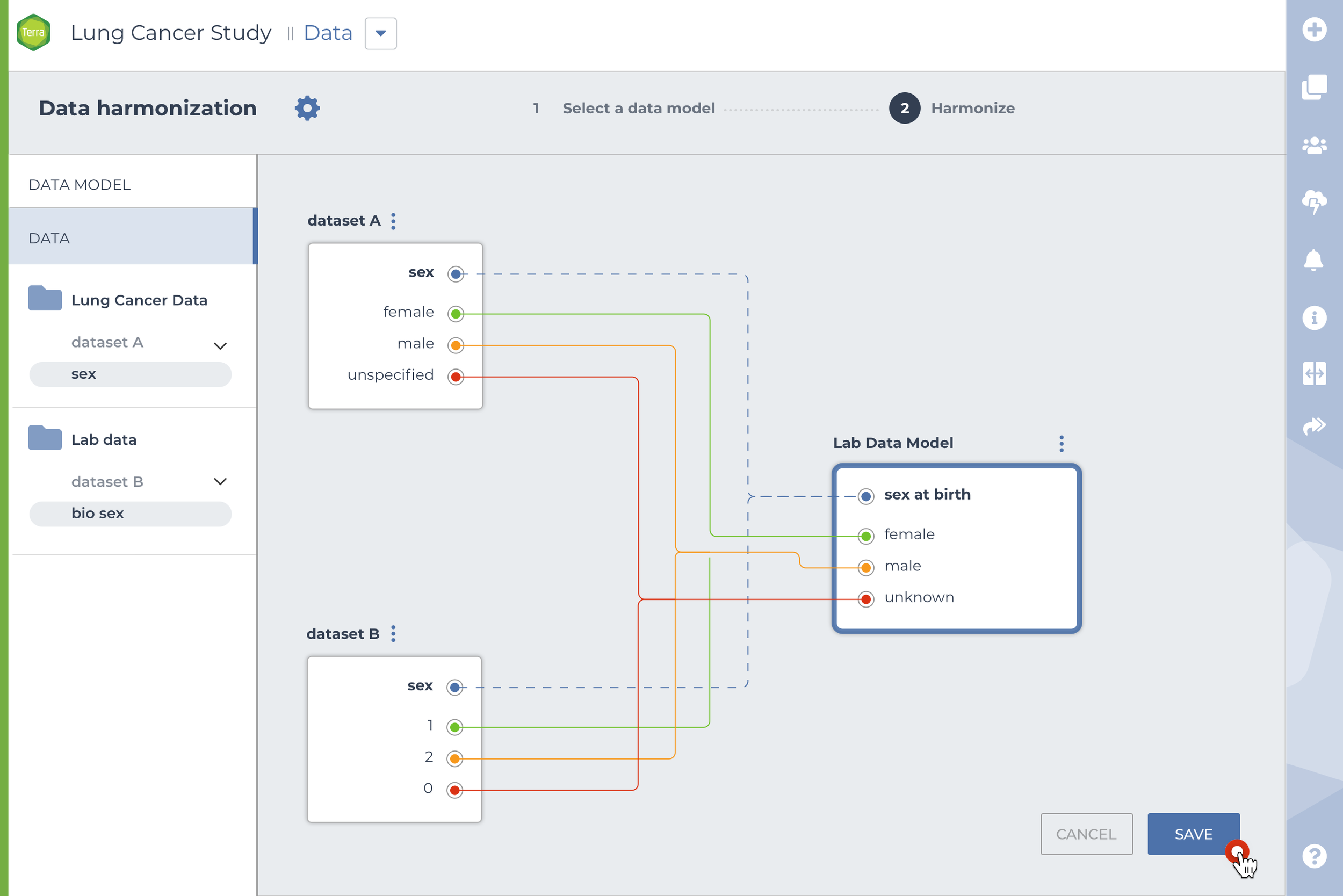
Data harmonization
is crucial when dealing with multiple datasets, as each often adheres to its own data model. These inconsistencies either hinder users from analyzing data across datasets or greatly complicate the process. This page represents a very simple view of that idea, not the real experience.
Cloud data management
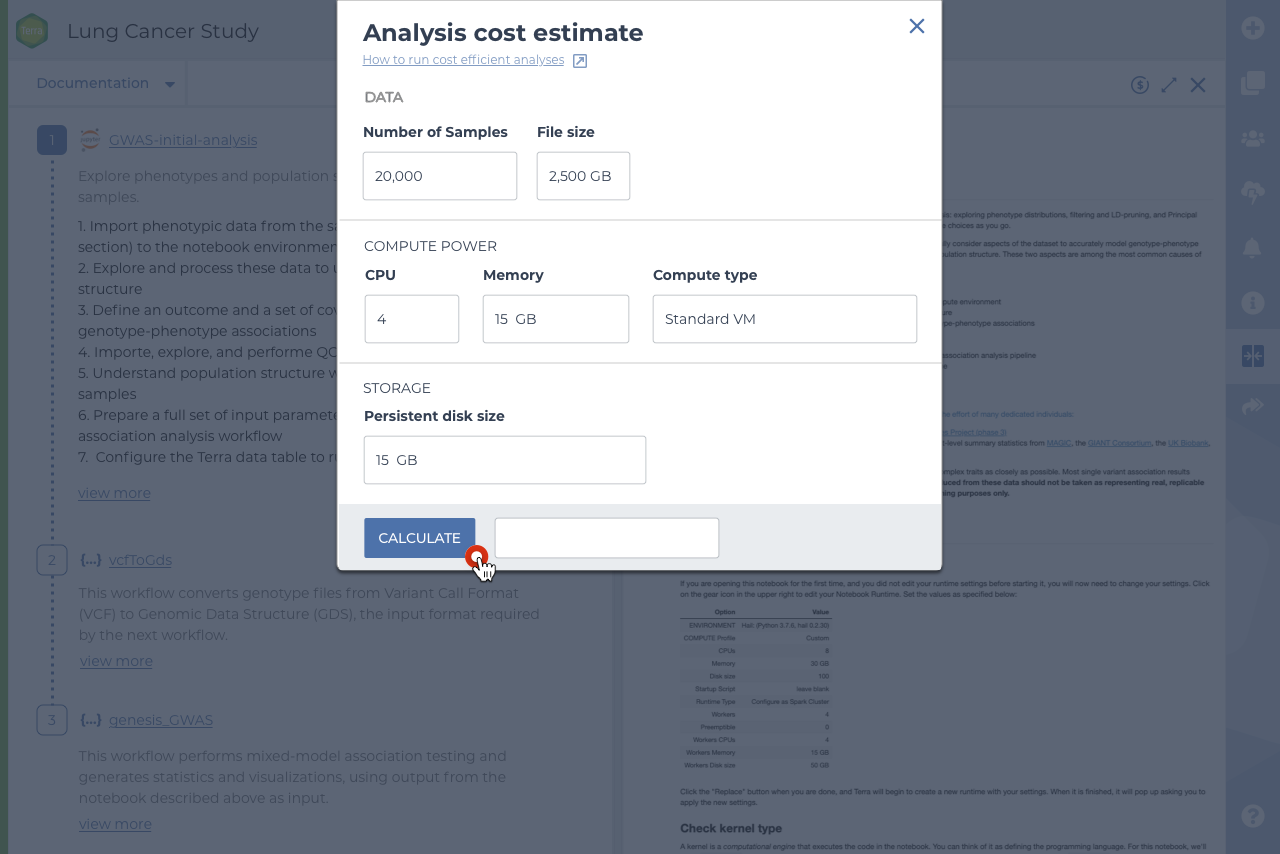
Currently, researchers utilizing cloud services are in the dark about the potential costs of their analyses. This poses a significant challenge, especially when some analyses involve hundreds of thousands of samples.
This settings would provide computational biologists an analysis cost estimate based on different storage and computing settings.
GitHub integration
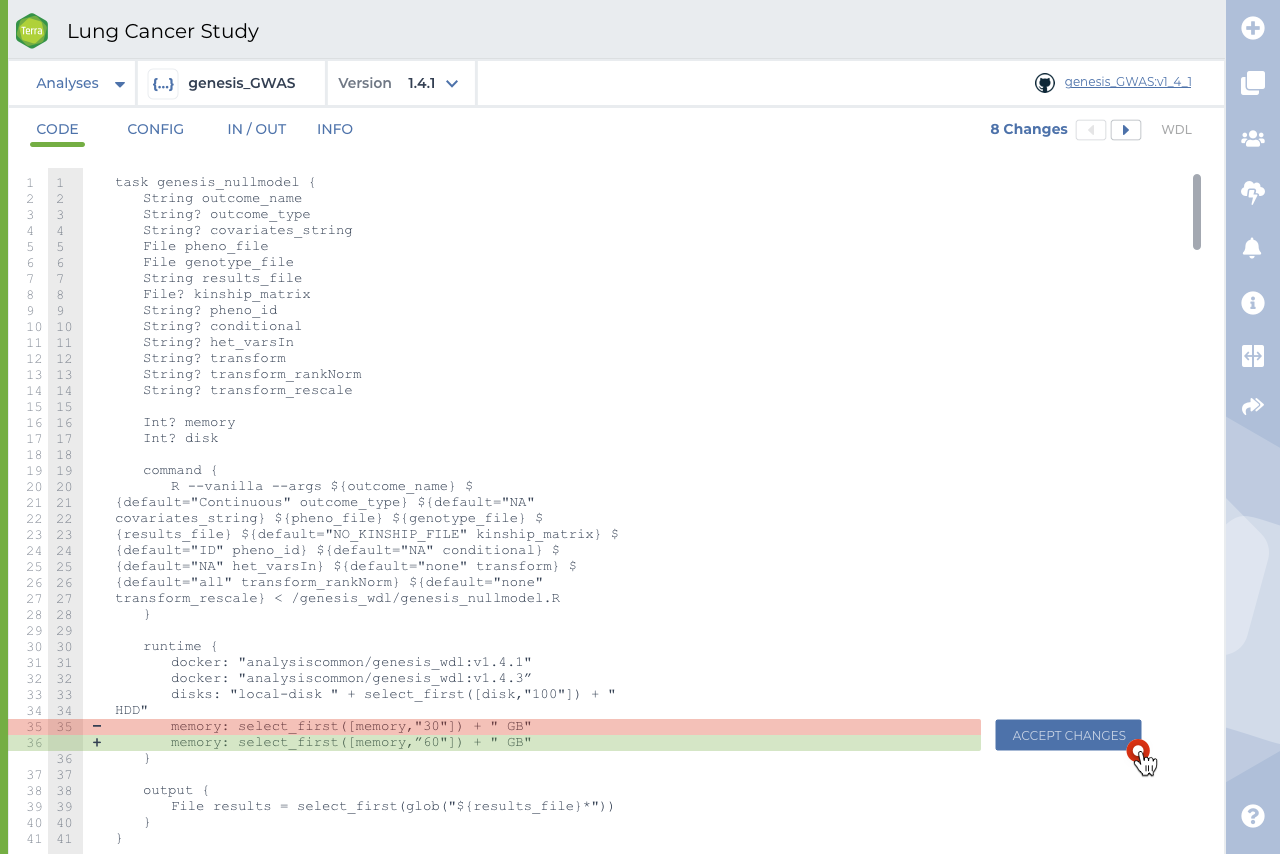
The absence of a seamless connection between Terra and programming tools compels computational biologists to juggle multiple applications for their tasks. This integrated approach facilitates coding on the same platform where data is analyzed and disseminated.
While not preventing developers to use the IDE of their choice, this would give them the ability to quickly edit in place.
Contextual nav
My tenure at the Broad Institute, particularly my involvement with the Terra project, was a period of profound professional growth and innovation. Recognizing the limitations of Terra's original design — its static nature and lack of contextual depth which hampered efficient collaboration — I was inspired to conceptualize a transformative redesign. My vision was to craft a more immersive, 'virtual lab' experience, making the platform more intuitive and interactive for its users.
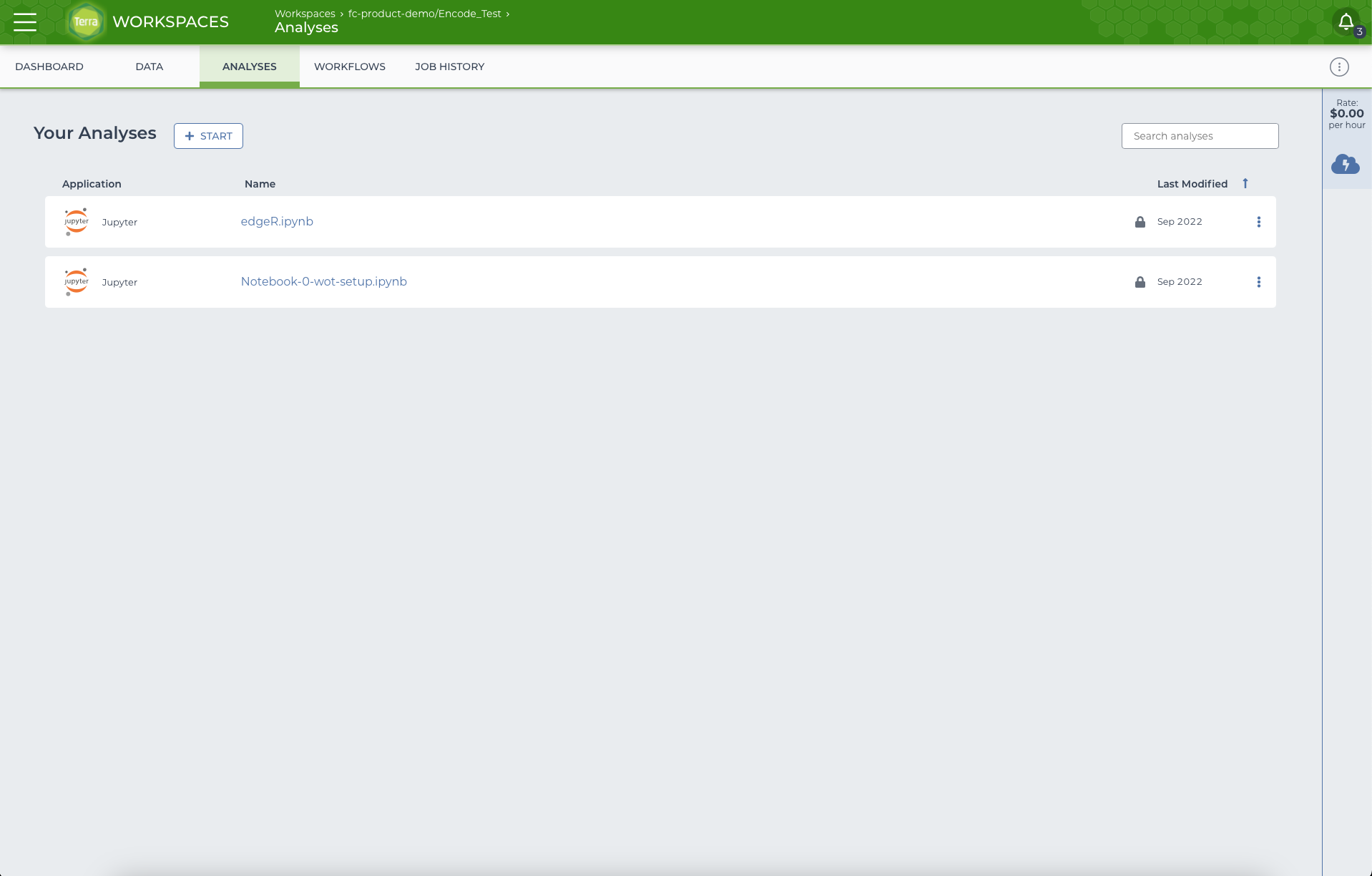
Screenshot of a workspace in Terra in 2023, inside a workspace, featuring the first implementation of the context nav.
This concept fundamentally altered the user experience within a workspace, like a real lab, where every necessary tool and resource is easily accessible. Though I had moved on from the institute before the implementation of this pivotal feature, I take pride in knowing that my visionary work laid the groundwork for several significant enhancements, including this contextual navigation, the streamlined process for launching analyses, and the more intuitive data search experience.
Out of the 17 new ideas generated in this work, 5 were implemented.